
Here's a piece of trivia that explains more about Italy than most guidebooks: the country's best-selling comic for decades wasn't Italian at all — it was Topolino, Mickey Mouse. Except it was Italian, in every way that matters.
Topolino: the Disney anomaly
Since the 1930s, Italy hasn't merely translated Disney comics; it has written them. Italian authors and artists built an original canon — thousands of stories that exist nowhere else, including celebrated literary parodies like L'Inferno di Topolino, Dante's Inferno retold with Mickey, in terza rima, in a comic for children. Italian Disney stories are now exported to the rest of the world, which makes Italy the only country where "reading Disney" means reading national literature.
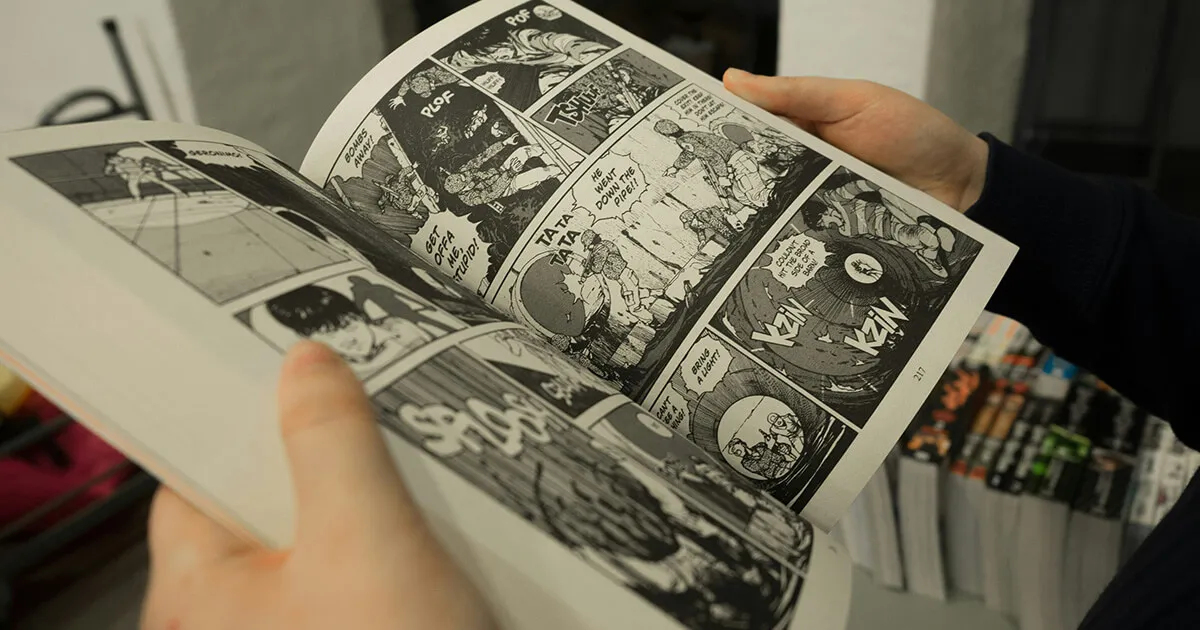
Every Italian grew up with the weekly Topolino digest, and the affection is generation-proof — mention it to your Italian colleagues and someone will name their favorite story. The word itself is a lesson: fumetti — "little puffs of smoke," after the speech balloons — is what Italians call all comics.
For learners, Topolino is the ideal entry: polished, standard Italian, editorial quality control, everyday vocabulary in adventure-sized doses, readable from strong A2. The stories are dense with the exact register you need at the bar, at the market, in the office — friendly, quick, idiomatic without being slangy.
Dylan Dog: how modern Italians actually talk
Then there's the other Italy: Dylan Dog, Tiziano Sclavi's "investigator of nightmares," published by Bonelli since 1986, tens of millions of copies sold, and a genuine cultural phenomenon — Umberto Eco famously confessed he could read Dylan Dog for days without getting bored.
Dylan Dog is written for adults, and that's precisely its value: the dialogue is modern conversational Italian as educated Italians actually speak it — ironic, understated, emotionally direct. Where Topolino teaches you the language of daily errands, Dylan Dog teaches the language of feelings, fears, and arguments: the register of real conversations after 10 p.m. The horror-mystery format does the motivational work; you keep turning pages, which — as with every comic — is half the secret.
Level-wise, aim for B1–B2. The Italian isn't difficult, but the emotional nuance rewards a foundation — and pairs beautifully with the filler words that make Italian theatrical.
The reading order
Start with a Topolino digest — cheap, everywhere, gloriously unintimidating on a train. When it starts feeling easy, buy one Dylan Dog album (issue 1, L'alba dei morti viventi, is the classic entry) and feel the register shift. Between the two, you'll have covered more living Italian than most courses deliver in a year — plus a cultural passport: Topolino for small talk with anyone over thirty, Dylan Dog for instant credibility with anyone who reads.
Don't let the words evaporate
Comics hand you words with faces attached; keeping them is your half of the deal. Save the ones that surprise you into Vokabulo as you read — with the situation, not the bare translation. The AI builds a natural example sentence at your level, and spaced repetition returns each word right before you'd lose it. Che bello when it works — and it does.
Reading fumetti this week? Save the words that made you look twice — Vokabulo keeps them. Free to start.