Practical vocabulary and language-learning guides for living your life in another language.
196 articles
No articles match your search.

A different second person, a different conjugation, an Italian melody and a y that sounds like sh. Buenos Aires and Montevideo do not speak the Spanish you were taught.

Eight and a half million speakers, half the consonants gone, and the accent that most of Latin American Spanish actually descends from. Andalusian, decoded.

Daje went national through football. Abbiocco is the drowsiness after a big lunch and has no English equivalent. The vocabulary of Rome, and the sonnets that recorded it.

Five and a half million speakers, a literature that gave Europe Cinderella, and a verb for having that it borrowed from Spanish. Why Neapolitan is not a way of speaking Italian.
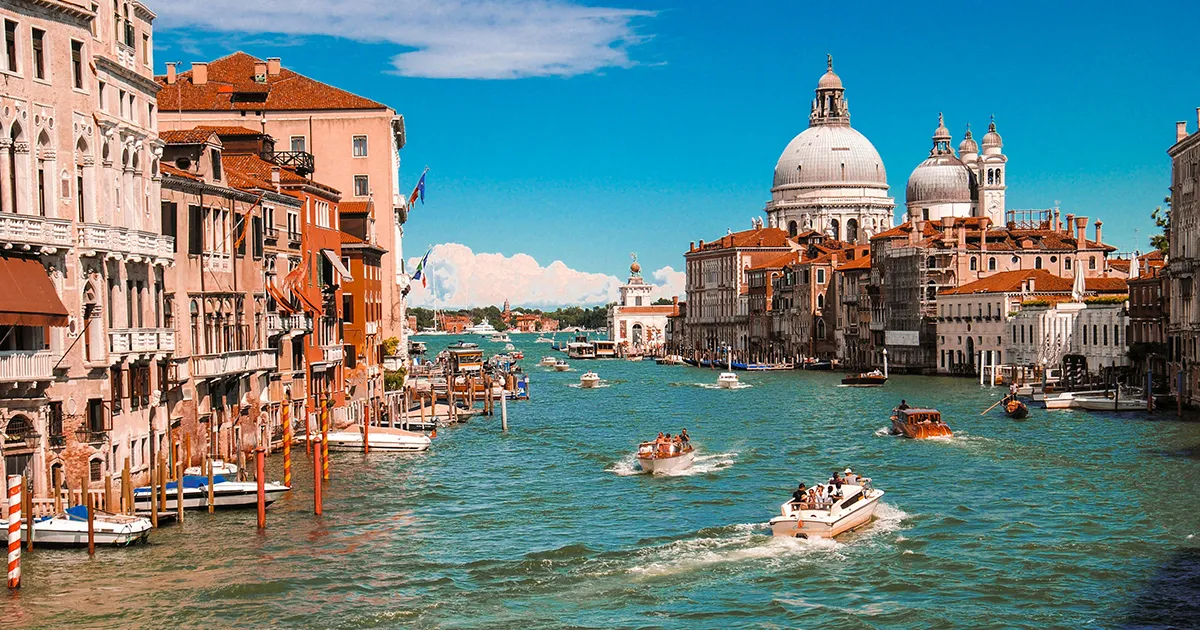
Italian dialects are not versions of Italian. They are sister languages that came down from Latin alongside it, and at unification barely anyone spoke the one that won.

Ick, wat, dette, jut. Berlin speech is a small set of sound swaps and a large amount of attitude, and the pastry situation alone is worth the article.

Austria negotiated twenty-three food words into its EU accession treaty. Those words, the coffee vocabulary, and the month that is not called January.

Switzerland writes German and speaks something else. Not a dialect exactly, and not a separate language officially, but enough of both that fluent German speakers arrive and understand nothing.

jaja is not haha, jeje is not the same as jaja, and the family group chat runs on a different vocabulary from the one on your feed. Written Spanish, decoded.

mdr not lol, tkt not don't worry, and a handful of forms that will mark you as over forty the moment you type them. What French messaging actually looks like now.

hdl, vllt, kA, and the three-letter sign-offs that decide how warm an email is. German written shorthand, including the workplace layer nobody explains.

It is not a typo and it is not a keyboard smash. Brazilian laughter has its own orthography, its own intensity scale, and a rival that marks your age. Plus the rest of Brazilian messaging.

Znüni, Vesper, merienda, apericena, Abendbrot. Meal names are not translations of each other, they are a map of how a country organises its day, and getting them wrong means turning up at the wrong hour.

You can present in flawless German and still not know what Brückentag means. The half of workplace language that sits between the meeting and the corridor, in five languages.

Nobody teaches you how to say you are looking for something serious, or how to tell that you have just been turned down politely. The vocabulary of dating apps in three languages.

The pinched fingers is a real question with a real answer. Each Italian gesture stands in for a specific phrase, and learning the phrase is how you learn the gesture.

Skipping bonjour is ruder than any word you could say. Tu, ouais, putain and con all sit on a line most learners cannot see. Here is where that line runs.
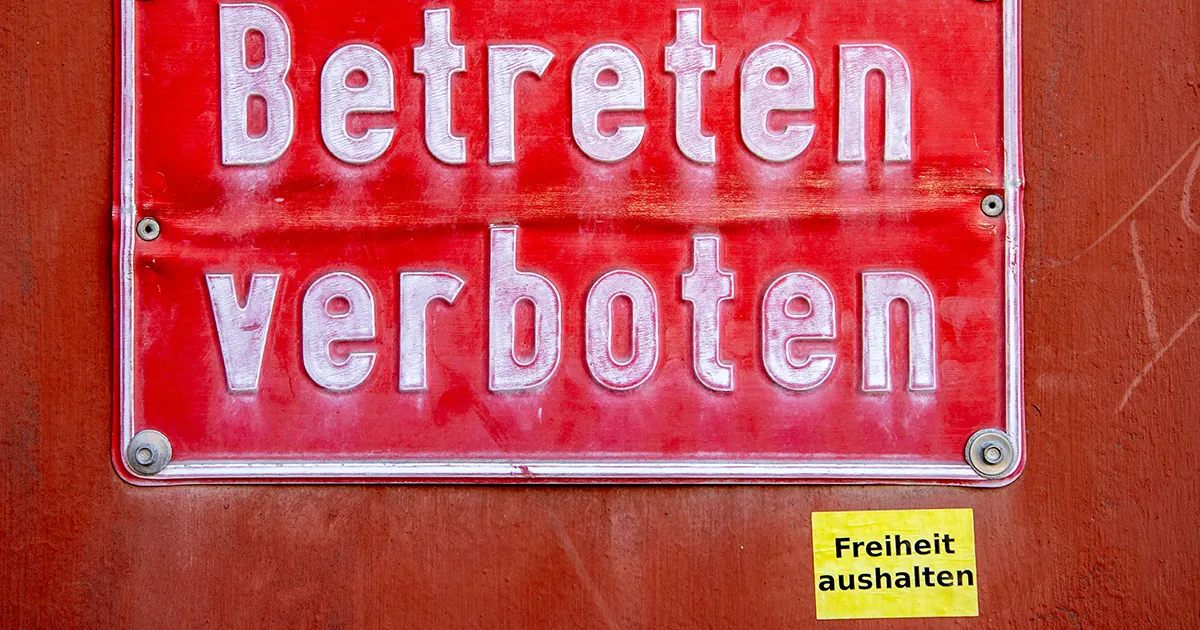
Doch is not a contradiction, geil is not what the dictionary says, and Scheiße is milder than you think. The German words that sound worse than they are, and the ones that sound better.

In Lisbon a rapariga is a girl and a bicha is a queue. In Rio neither word is safe. The Atlantic divide in Portuguese, and the words that do not survive the crossing.

Spanish is one language across twenty countries, and a handful of perfectly ordinary words change meaning so sharply in transit that they can end a conversation. Here are the ones that actually matter.

Standard German gets you through the paperwork in Munich. Servus, Brotzeit, Schmarrn and passt scho get you through everything else.

Moin is not short for Morgen, Tschüss probably came from French, and if somebody calls you a Quiddje you were not born here. Northern German, decoded.

Guten Tag is correct everywhere and natural almost nowhere. A map of German greetings from Flensburg to Zurich, and what each one quietly says about you.

Five languages independently invented the same trick: break the word, reassemble it wrong, and keep outsiders out. Here is how verlan, vesre, riocontra, rhyming slang and Rotwelsch actually work.

Indonesia wants a sponsor, a bought stamp stuck on every important paper, and a separate permit just to leave the country again. The words for all three.

Greece needs two numbers from you before anything else can happen, and you pay the fee online before you set foot in the office. The words for both errands.

In Vietnam your landlord registers you with the ward police, and if he does not get around to it, everything else stops. The vocabulary for the paperwork chain.

Croatia starts with a number, and you pay for the application with stamps you have to buy in advance. The words for the trip to the tax office and the police.

A Turkish residence permit hangs on a notarised rental contract and an appointment the system hands you rather than one you choose. The words you will need on the day.

In Hungary almost everything hangs on the address card, and you only get one with the right papers and your landlord's signature. The words that come up that morning.

At Thai immigration, somebody decides whether you get to stay. Without the words you are running on gestures and goodwill. Here is the vocabulary that actually comes up at the counter.

You have spoken English for years, and you still reach for the same twenty words. Why school methods stop working past B1, what separates active from passive vocabulary, and the routine that actually gets new words into your mouth.

Nobody at work can see your residence permit. What they notice is the sentence you didn’t catch, and over a first year abroad that costs far more than anyone admits.

Everyone knows an adult who studied a language for eight years at school and cannot hold a conversation in it. The usual explanation is that the teaching never modernised. It is the other way round: the method has been thrown out four times since 1882 and the results barely moved. Here is what is really holding them down, and three changes that would work.

Translation earbuds already work well enough to make you wonder why anyone should spend years on French. The honest answer is that part of the reason to learn a language really is gone. What is left may be worth more.
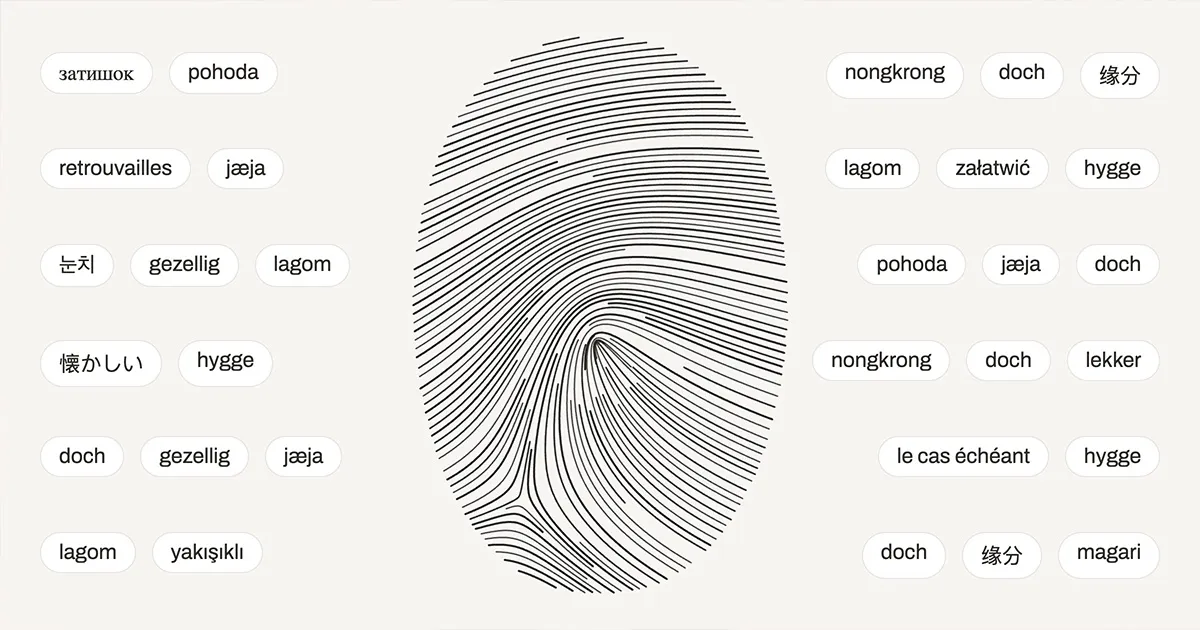
Why vocabulary very quickly becomes a personal matter, and why there was no tool for that until recently.

Two things get said about older language learners: that it's too late, and that it will hold off dementia. Neither is right. What's actually true is more useful than both, especially if you plan to spend part of the year somewhere warmer.
Five minutes a day was never going to be enough. The word counts everyone repeats are made up too, and the real numbers are worse news for course apps than the myth is. What the job actually looks like, and how to build a routine that gets you through it.
Duolingo solved the hardest problem in learning, which is getting people to come back tomorrow. That solution is built for the first thousand words. What happens after them is a different problem, and it needs a different app.
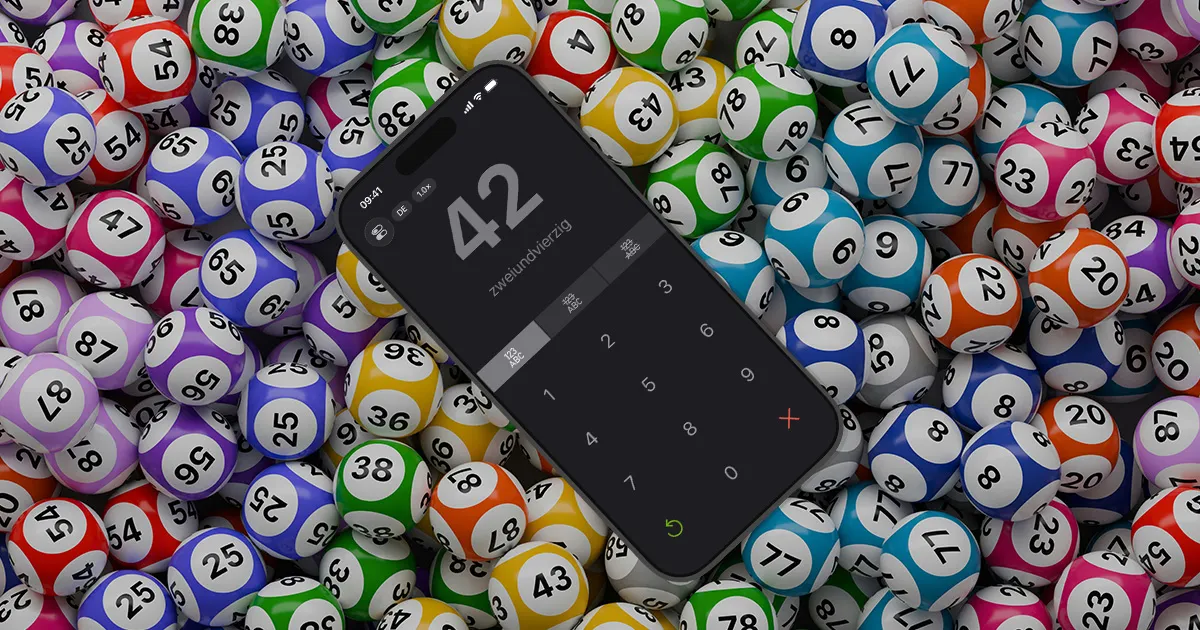
Language apps drill vocabulary, grammar and pronunciation. Almost none of them train your ear for spoken numbers. Numfred does nothing else, and after a few weeks of French I am convinced.
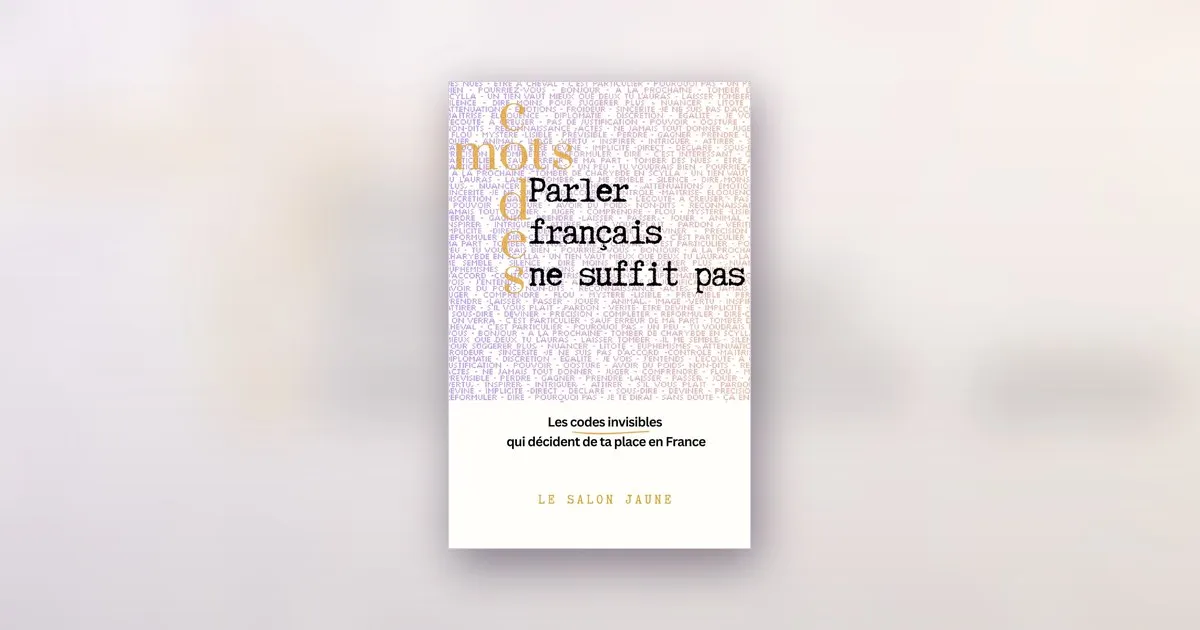
Your sentence was correct and the meeting went cold anyway. Parler français ne suffit pas is about what happens between the words.

Millions learned English from six people on a couch — and the method still works. Add Ted Lasso for warm, modern workplace English, and you have a complete accidental curriculum.

Brazil's first Netflix original speaks the clearest Portuguese on television; its folklore thriller teaches the myths every Brazilian grew up with. Language and culture, one couch.

One show serves sunny, everyday Italian at learner pace; the other teaches how young Italians actually talk, Naples flavor included. Two series, the full Italian arc.

One show delivers crisp peninsular Spanish in teen-drama doses; the other opens the Mexican register with melodrama and wit. Together they cover both worlds of Spanish.

One show teaches clear modern French wrapped in a global hit; the other is a masterclass in how professional Paris actually talks. Two series, one complete French curriculum.

Germany's biggest TV export is secretly a German course: slow, deliberate, crystal-clear Hochdeutsch. And its funniest show teaches the register no teacher will — internet-age youth German.

Series teach vocabulary the way textbooks can't: hundreds of hours of real dialogue, faces attached to every word. The science — and the right shows for each language.

Calvin and Hobbes smuggles university-grade vocabulary inside a comic about a boy and his tiger — words like 'perfunctory' and 'soporific', each one glued to a picture you'll never forget.

In Brazil, Turma da Mônica isn't a comic — it's a shared childhood. Mauricio de Sousa's characters teach warm, everyday Brazilian Portuguese in perfect doses, rural dialect included.

Italy is the country where Disney comics became national literature — and where a horror detective taught two generations to talk. Two comics, two registers, one very Italian story.

A six-year-old Argentine philosopher and two catastrophic Spanish secret agents — between them, they teach the two great registers of Spanish, plus the cultural divide no textbook explains.
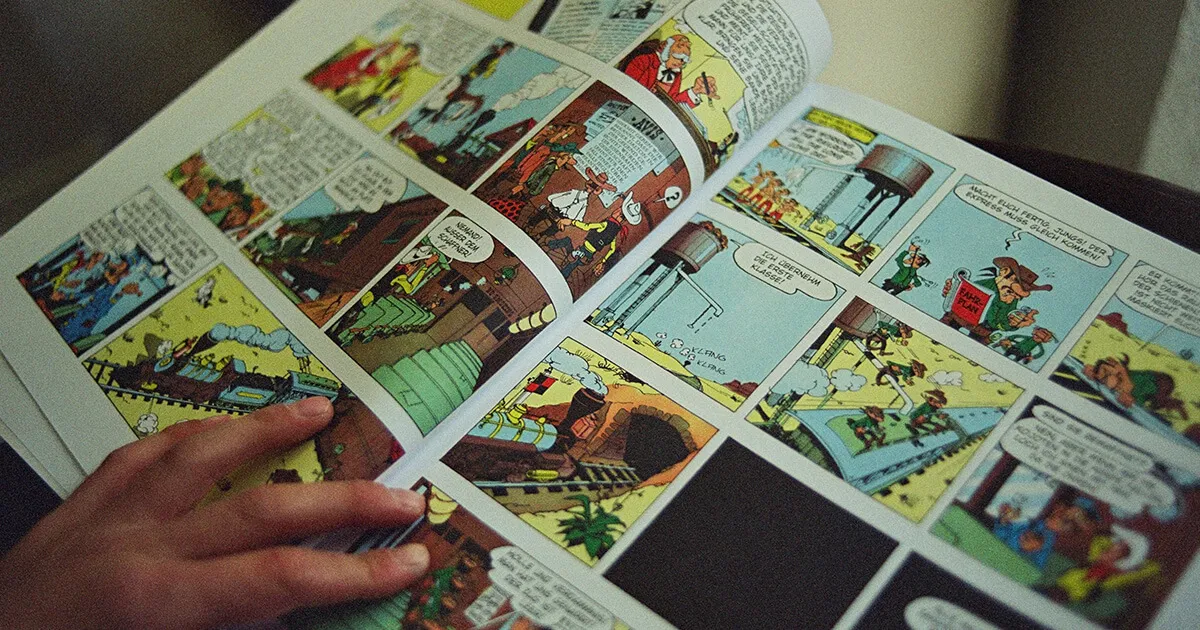
Germany's comic culture is smaller than France's — and stranger. One comic survived the GDR and outlived the country that created it; the other taught a generation to talk like the North.

France treats comics as its ninth art — and its two greatest exports are a free French course in disguise. Which to read first, what each one teaches, and the words worth keeping.

Comics teach vocabulary the way textbooks can't: every word arrives with a picture, a face, and a situation attached. Here's the science — and the right comics for each language.

Italy's daily administrative life has its own vocabulary — from the tabaccheria to the sportello, from the bolletta to the SPID. Here's the everyday Italian you actually need.

Eating out in France follows a specific script — from reading the menu to asking for the bill. Here's the vocabulary and the cultural rules that go with it.

The French market — the marché — is a weekly ritual and a masterclass in practical vocabulary. Here's what you actually say, and what the sellers say back.

Driving in Germany comes with specific rules, specific vocabulary on the signs, and specific situations — like being pulled over — where knowing the words matters.

Whether you're finding something at the hardware store or explaining a leaking pipe to a German tradesperson, this is the vocabulary you need.

German neighbourly relations have their own rules, and their own vocabulary. Getting these right from the start makes life in a German building significantly more pleasant.

The Dutch school system is distinctive — open, consensus-driven, and highly decentralised. Here's the vocabulary you need to understand it and participate in it as a parent.

Enrolling your child in a Spanish school means understanding a specific system with its own vocabulary, structure, and expectations. Here's what you need before the first day.

Emails to German teachers follow specific conventions. Here are the phrases you need — for absences, questions, requests, and the difficult conversations.

France has one of Europe's best childcare systems — and one of the most complex to navigate. Here's the vocabulary for finding a place and understanding the options.
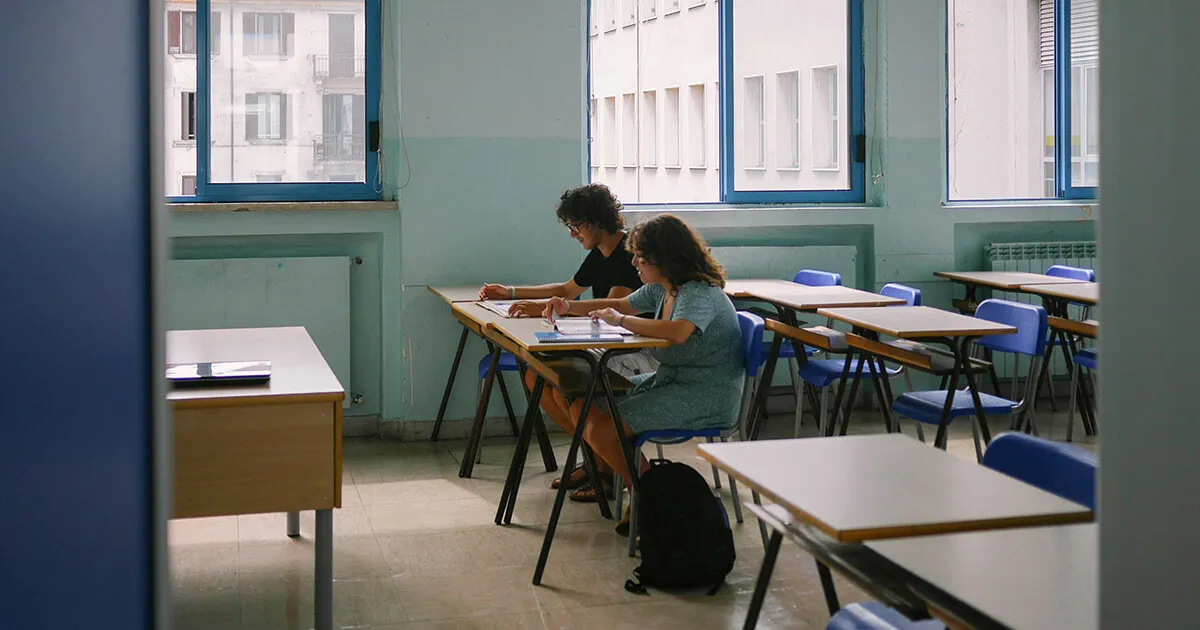
Your child is starting school in Germany. The system has its own structure, its own terminology, and parents are expected to engage with it in German. Here's what you need to know.

Italian banking has its own vocabulary, its own products, and a few quirks. Here's what you need to know to open a conto corrente, read your estratto conto, and navigate the system.
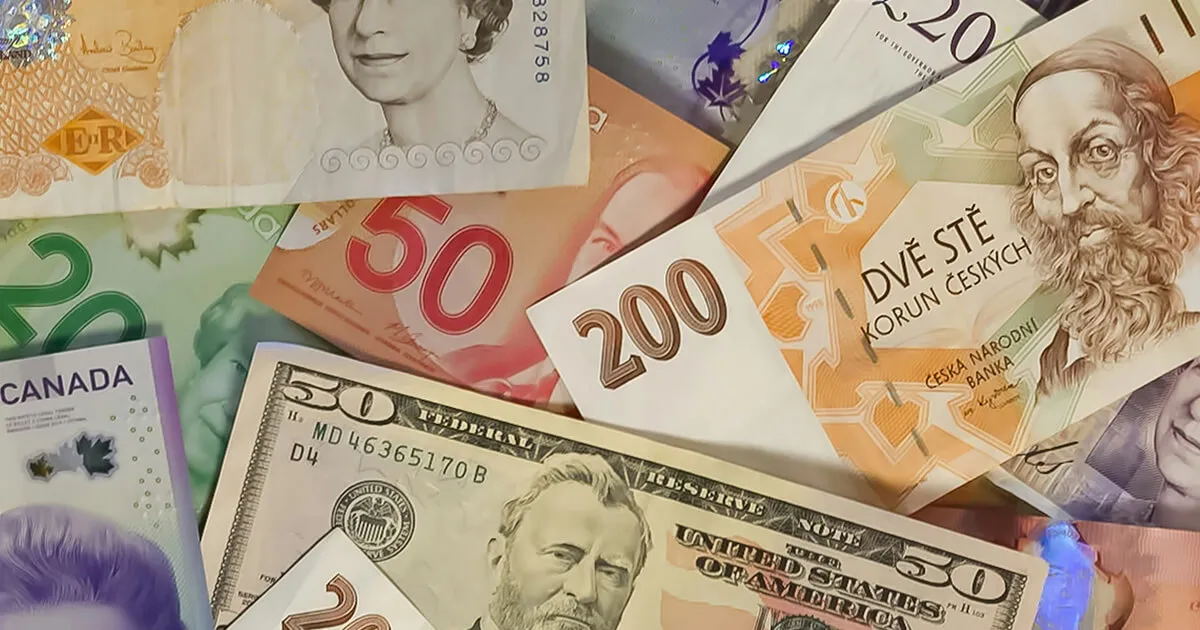
Sending money internationally from a German bank account involves specific vocabulary, fees, and choices. Here's what each term means and how to do it cost-effectively.

Germany is a heavily insured country. Some coverage is mandatory, some is essential, and some is optional. Here's the vocabulary to understand what you have, what you need, and why.

Spanish banking has its own vocabulary, its own product names, and a few quirks worth knowing before you open an account or sign a mortgage. Here's what the key terms mean.

French banking runs on a specific vocabulary — RIB, virement, prélèvement, chèque. Here's what each term means and when you'll need it.

German banking has its own vocabulary and its own ways of doing things. Here's what you need to know to open an account, understand your statements, and use the system competently.

Salary negotiation in French requires a specific vocabulary and a specific cultural approach. Here's how to have the conversation — from stating your expectation to countering an offer.

Freelancing in Italy means opening a Partita IVA and navigating a specific administrative vocabulary. Here's what it all means — from regime fiscale to fattura elettronica.

Your German employment contract is a legal document. These are the terms you need to understand before signing — with specific attention to the clauses that catch expats off guard.

Dutch meetings are famously direct and consensus-driven. The vocabulary reflects both. Here's what you hear in Dutch business meetings — and what it signals.

Board meetings in French have a formal vocabulary that rarely matches what language courses teach. Here's what's actually said — and what it means.

German job interviews have a predictable structure and a specific vocabulary. Here are the questions you'll hear, the answers you'll need, and the terms that come up around the offer.

German business emails have a specific formality and a set of conventions that machine translation consistently gets wrong. Here's what to write — and what to avoid.

Spanish corporate life has its own structures, acronyms, and cultural codes. Here's the vocabulary for understanding the company you've joined — and your place in it.

Germany's works council — the Betriebsrat — has real legal power over your working conditions. If you work in a German company, you'll encounter it. Here's the vocabulary to understand it.

A French commercial contract has its own language — specific, precise, and consequential. These are the terms that matter before you sign anything.
In Germany, being off sick is a formal process with specific rules, documents, and deadlines. Get them right and you're protected. Get them wrong and it costs you.

Instant fluency ads stretch definitions and invent timelines. Here is an honest look at what language apps actually deliver versus what the marketing claims.

Italy's public health system is free for residents — but getting access, choosing a doctor, and actually using the system requires a specific vocabulary most expats don't have.

Brazilian Portuguese catches Spanish speakers off guard with puxar and pois não. These 10 mistakes prevent daily confusion and social embarrassment in Brazil.

The doctor is asking what's wrong. You know what's wrong. You just can't say it in German. Here's the vocabulary that closes that gap before you're sitting in the surgery.

One dropped consonant turns penne into something anatomical in Italian. These 10 mistakes — double consonants to false friends — will prevent embarrassment.

The German pharmacy is not like a supermarket health aisle. Many things that are over-the-counter elsewhere require a prescription here — and the labels assume you can read German.

In French, excité about your holiday is not the compliment you intend. These 10 mistakes expose the false friends and grammar traps every learner hits.

Spain's public healthcare is free at the point of use — if you're registered for it. Here's the vocabulary for getting registered and using the system from day one.

Spanish false friends like embarazada and éxito cause genuine embarrassment. These 10 common mistakes — including the ser vs. estar trap — become easy fixes.

France's healthcare system is one of the best in the world. But it has a specific structure — and a specific vocabulary — that you need to understand before your first appointment.

Saying I am boring instead of I am bored is just one of 10 English traps that catch fluent learners. Each mistake has a simple fix that sounds more natural.

The German healthcare system is excellent. But your first appointment with a German doctor is a vocabulary test that most expats are completely unprepared for.

'Ich bin heiß' when you mean warm is one of German's worst traps. These 10 German language mistakes catch learners at every level — each one has a clear fix.

Belgium is officially trilingual, and your commune determines which language the administration uses. Here's the vocabulary for registering — in French and Dutch — wherever you end up.

A small group of creators, polyglots, and educators have built massive audiences around language learning — and their recommendations move millions of learners. Here is who they are and what they actually stand for.
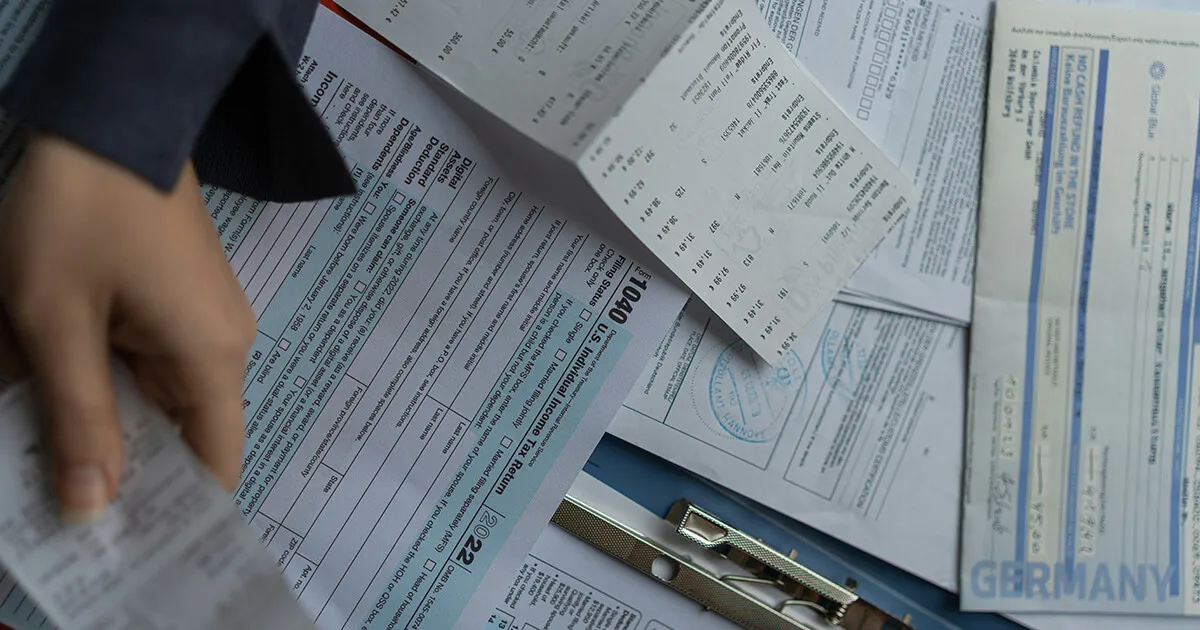
The Steuererklärung is Germany's annual tax return — and for most expats, filing it means a refund. Here's the vocabulary you need to understand what you're submitting and why.

AI can translate anything in seconds. So why are more people than ever studying foreign languages? The answer says something important about what language actually is.

In the Netherlands, your DigiD unlocks the entire digital government — and you can't get one without a BSN, which you can't get without registering. Here's how the chain works.

Research from the American Council on the Teaching of Foreign Languages shows that a second language can raise your employability by as much as 50%. Here is what that actually means for your career.
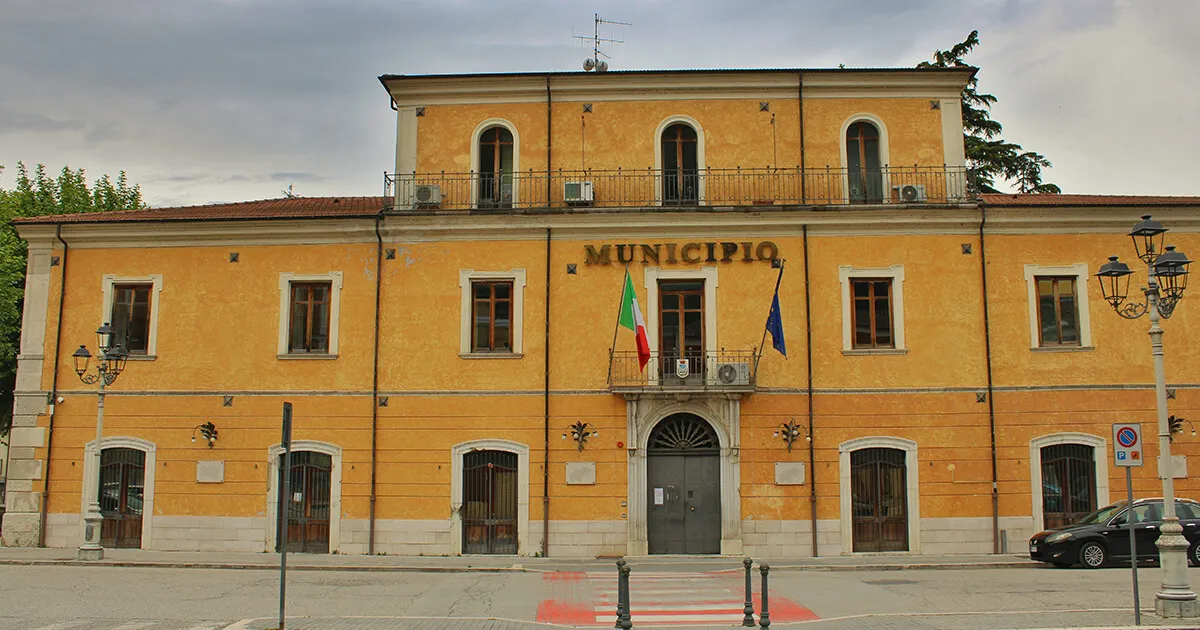
Italy's residence permit — the permesso di soggiorno — involves the post office, the police, and a wait that can stretch months. Here's every term you'll encounter.

You speak English — but in the meeting, the precise words go missing. Why school methods fail professionals, and which method makes business vocabulary actually stick.

A job change, a new baby, a difficult quarter at work — and suddenly the language you were making real progress in has gone quiet for three months. Here's how to start again without starting over.

The Extranjería is Spain's immigration office — and the vocabulary gap between knowing what you need and being able to ask for it can cost you months. Here's what to know before you go.
British or American English? Castilian or Latin American Spanish? Parisian or Québécois French? The accent question paralyzes a lot of learners. Here's how to actually think about it.
Anki is powerful — and feels like Windows 95. If you want the effect of spaced repetition without sinking hours into card maintenance: these 6 Anki alternatives do more.

Most intermediate learners have thousands of words they recognize but can't produce under pressure. Here's what creates that gap — and how to close it.

The carte de séjour is your legal right to live in France. Getting one involves a specific process, a specific set of documents, and a vocabulary that no one explains upfront.

The idea is perfect: two people, each learning the other's language, helping each other for free. So why does it almost never last more than three sessions?

The Anmeldung is legally required within two weeks of moving in, and everything else — bank account, phone contract, tax ID — depends on it. Here's how it works, word by word.
Every vocabulary trainer advertises AI now. Few mean it. How to spot real AI, what it actually changes about learning words — and where it's overhyped.

Reading in a foreign language is one of the best things you can do for your vocabulary. Most people try it the wrong way and quit. Here's the method that actually works.

The Ausländerbehörde is where your right to live in Germany gets decided. Walking in without the vocabulary is an avoidable risk. Here's what you need to know.

Everyone has heard that children learn languages effortlessly and adults can't. One part of that is true. The other part is largely a myth — and the distinction matters enormously.

The moment you hand back the keys in Germany, a process starts that can cost you several months' rent — or return everything you're owed. The difference is almost entirely a vocabulary problem.

You've known the words to a song in a foreign language since you were twenty. You can't remember the vocabulary list you studied last Thursday. Here's why — and how to use it.

Buying property in France involves a notaire, a compromis, a ten-day cooling-off period, and a stack of mandatory diagnostics. Here's what every term means and when it appears.

English contronyms like sanction, dust, and left each carry two opposite meanings. These 7 Janus words trip up advanced learners — here is how to decode them.

Most language learners have 30–60 minutes of untapped daily practice time already built into their schedule. Here's how to actually use it.

Italy's rental market has its own logic and its own language. If you don't know the difference between a caparra and a deposito cauzionale, you'll find out the expensive way.

You've bought the apartment. Now a letter arrives about the Eigentümerversammlung, and there's a Sonderumlage due in April. Welcome to German property ownership.

Every language learning guide tells you to 'just speak.' For introverts, that advice lands somewhere between unhelpful and paralyzing. Here's what actually works.

Buying property in Spain involves steps that simply don't exist in other countries. Here are the terms — and the process — that every buyer needs to understand before they sign anything.

German Januswörter mean their own opposite — umfahren is both drive around and run over. These 5 contronyms cause real confusion and occasional emergencies.

Language attrition is silent, gradual, and surprisingly common. Here's what's actually happening when a language starts slipping — and what to do before it's gone.

A French rental contract is a legal document with specific obligations on both sides. These are the terms you need to understand before you sign yours.

The German rental market has its own language — and not knowing it costs money. Here are the terms that every tenant in Germany needs before they sign anything.

Running every sentence through a mental translator is exhausting and slow. Here's what's actually happening, when it stops, and how to make it stop faster.

The Bürgeramt is unavoidable. It's also entirely manageable — if you know the fifteen words that cover almost everything that happens there.

Contronyms are words with two opposite meanings. From French hôte to Hawaiian Aloha, these auto-antonyms appear in nearly every language and confuse everyone.

There's a wide gap between grammatically correct English and professional English. These 50 phrases close it — and make you sound like you belong in the room.
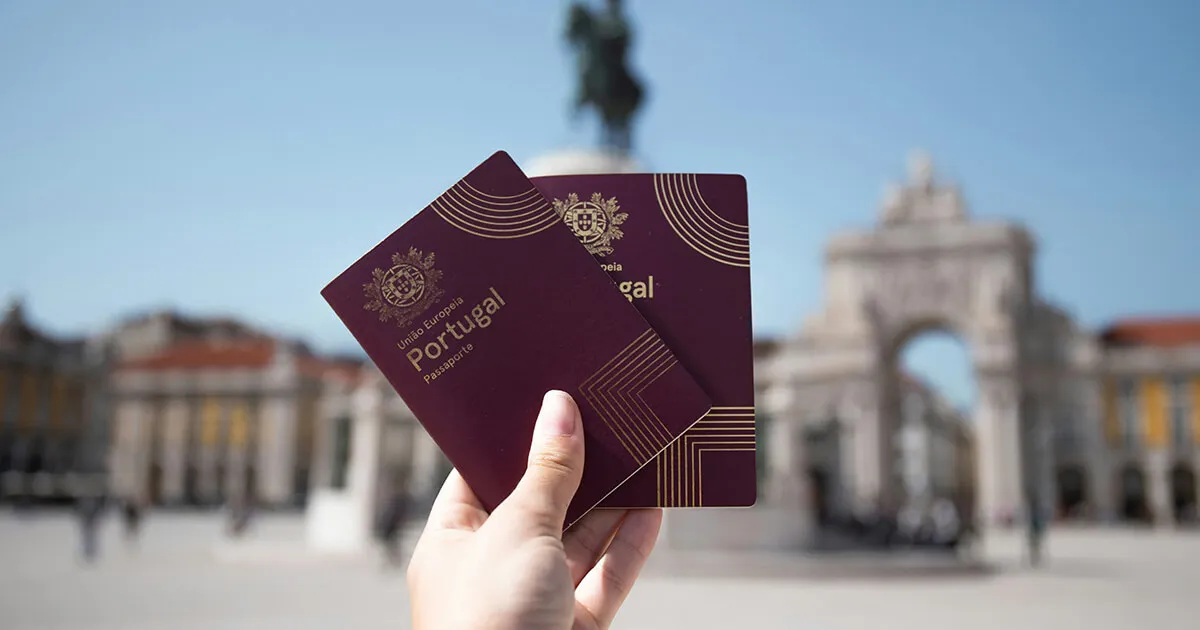
Tourist vocabulary won't survive contact with real expat life. Here are the 30 words that actually get you through your first month. The ones no app ever teaches you.

An American Great start often signals disaster; German silence often signals praise. Decoding cultural feedback protects your ego and career across borders.

Shadowing is one of the most powerful language learning techniques almost nobody uses properly. Here's what it actually is, why it works, and how to start today.

You know the words. You've studied for months. So why does your brain go blank the moment a native speaker asks you something? This is language anxiety — and it's fixable.

French argot replaced textbook French on the street long ago. Learn slang categories — money, work, emotions — to stop sounding like a time-traveling noble.
Subtitles feel like language learning. They're actually a very comfortable way to not learn. Here's how to wean yourself off them — and what actually makes it possible.

A good relocation agency handles the visa, the apartment, the bank account. But the thing that actually makes a new country start to feel like home is smaller — and easier to give — than any of them: the right words at the right moment.

The internet says 3 months. Apps say 15 minutes a day. The truth is more complicated — and more useful — than either of them.

Passing B1 German does not prepare you for Bavarian bakeries or Hamburg harbors. This guide decodes regional German dialects no language school ever covers.

A job interview in your second language is the highest-stakes vocabulary test you'll ever take. Here's how to prepare so you sound like a professional, not a textbook.
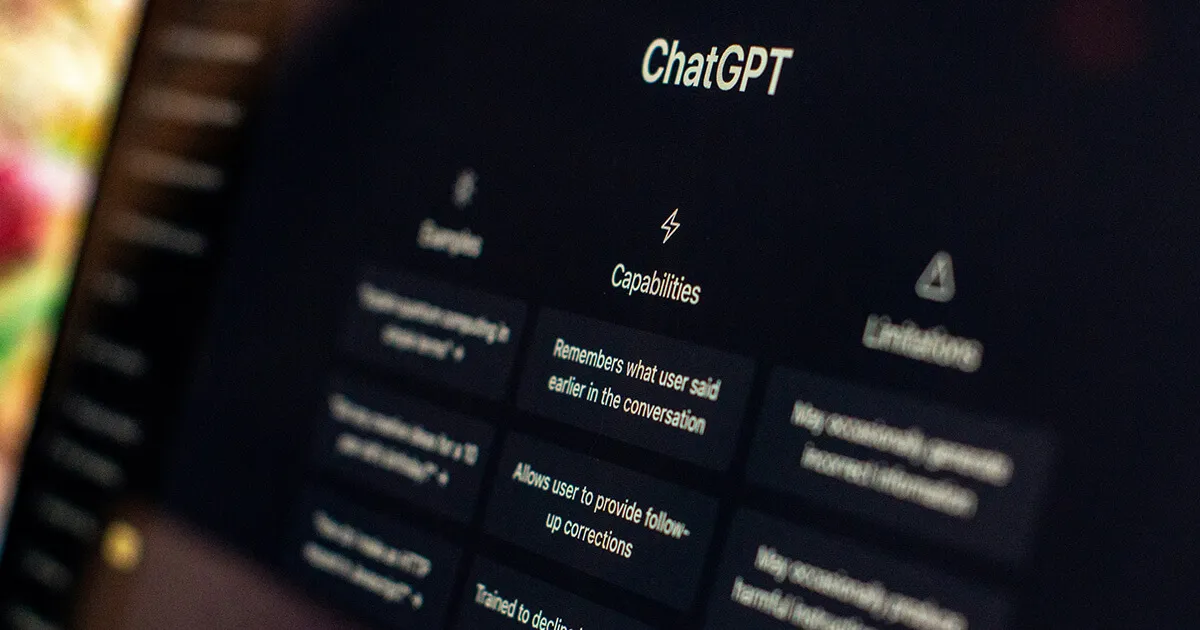
ChatGPT is a remarkable language learning tool — but there's one critical thing it cannot do. Here's how to use it properly, and what to add to fill the gap.
Verlan is inverted French slang that has gone fully mainstream. If you miss ouf, meuf, and relou, you are missing half of what native speakers actually say.

Duolingo is brilliant at building habits — but terrible at building the vocabulary you actually need. Here's the gap nobody warns you about, and what to do instead.
“Free” vocabulary apps range from genuinely useful to glorified ads. We tested them so you don't have to — here's what's actually worth your time, and what to upgrade to when you're ready.

Brazilian Portuguese has a rhythm textbooks miss. Filler words like né, tipo, and sabe transform robotic statements into natural speech of a true local.

Almost every language app is lying to you. If you're an expat at B1 or above, there's a real method to go from getting by to genuinely good — but it requires the right kind of effort.
Vocabulary.com is built on 7 billion answered questions. Vokabulo is built on your actual life. Here's what that difference means in practice.

David Solomon ran Goldman Sachs and moonlighted as DJ D-Sol. Steve Wozniak co-founded Apple and then quietly spent years teaching elementary school. The day job rarely tells the whole story.

A small business needs the vocabulary of its own trade, not a generic business course. Vokabulo builds it from your real calls, emails and contracts.

Spanish muletillas like o sea, pues, and a ver hold fast conversations together. Here is what each filler means and exactly when to use it confidently.

Spaced repetition works — the science is solid. But the app you use to do it matters enormously. Here's how today's tools compare, from Anki veterans to AI-powered newcomers.

Babbel covers the basics beautifully. But once you need to negotiate, present, or just have dinner with colleagues in another language, you need something different.

Real Parisian French runs on du coup, genre, and bah — words no textbook covers. Master these filler words and you will sound like a local, not a tourist.

Generic vocabulary apps teach you 'the cat drinks milk.' This is what expats actually need — and the one app built specifically for people living the language every day.

Not all 'AI vocabulary apps' are the same. Some slap a chatbot on old flashcards. Others rebuild how you learn from scratch. Here's what actually matters.

Italian is 60% theater and filler words like allora and cioè are the stage directions. Master these 5 expressions to stop sounding like a tourist at a menu.

Quizlet is fine for flashcards. But if you're learning a language for real life, these tools build the vocabulary that actually transfers to conversations.
Duolingo is brilliant at habits — but if you actually need to speak, these apps go deeper. An honest comparison for learners who've outgrown the owl.

German modal particles like doch, mal, and halt carry emotion no grammar book covers. Without them your German is correct but sounds completely socially flat.

Memrise is great at immersion clips — but falls short when you need words for your actual life. Here's how the two compare, and which one fits how you really learn.

Native speakers sound grammatically wrong but perfectly natural. English fillers like you know are how fluent speakers actually hold the conversational floor.

Grammar without vocabulary leaves you speechless at the Döner shop. Vocabulary is the most critical element in language learning, with practical examples.

Filler words are the verbal emojis of language — they carry the social tone. Strip them out and speech sounds robotic, however correct the grammar may be.

At B2 nobody corrects you anymore — and that is the real trap. Breaking the intermediate plateau means retiring recycled phrases for more precise vocabulary.

Podcasts fail as language tools because new words swim past. These strategies turn passive listening into active vocabulary learning without breaking your flow.

Stop-and-search reading in a foreign language kills your flow and motivation. Here is how to stay immersed in the story while still capturing new vocabulary.

Limited vocabulary makes learners sound rude when they mean to be polite. Here is how to leave the blunt beginner stage behind and master diplomatic language.

Most people feel duller in a second language — that is the alter ego effect. It stems from a specific vocabulary gap, and there is a clear method to close it.

Learning all of Spanish at once produces stagnation. Mastering one niche topic in depth builds real fluency faster than any general vocabulary list ever will.

Textbooks teach clean sentences; cafes teach real speech. Eavesdropping captures the filler words and authentic phrasing that no classroom ever teaches you.

US Customs officers are not known for humor. The right vocabulary of intent keeps you out of secondary screening and into the World Cup stadium on time.

European fans at the 2026 World Cup in the US will face tailgates, the football vs. soccer debate, and distances that defeat even optimistic itineraries.

Random word lists fall out of your brain by Friday. The Velcro Method uses context and personal relevance to make new vocabulary actually stick long-term.

A static word list was built by a stranger who does not know your job or life. Dynamic vocabulary learning builds the words you actually need, in context.

The vocabulary gap costs professionals promotions. Precise word choices signal leadership where vague language signals junior status. Here is how to close it.

We tested the 10 best vocabulary apps of 2026, free and paid. See which builder actually makes words stick, and which to skip. Updated October 2026.

Word lists give you naked words that collapse in real sentences. AI-driven learning wraps each word in the grammar and cultural context needed to use it.

The 12-week fluency promise sounds convincing until your first real conversation. Here is what those ads actually sell and what fluency really requires.

AI-powered vocabulary generates context sentences on demand. Unlike static flashcard databases, it always understands the right meaning for ambiguous words.

Generic apps teach hotel bookings, not sprint planning or technical debt. Tech professionals in global teams need domain-specific English — here is how.

Traditional cramming fails because stress blocks memory. This AI-assisted protocol uses high-context hooks to lock in vocabulary before a big exam.

Anki is powerful, but deck-building takes longer than studying. Vokabulo generates flashcards in seconds with AI. Here's how they actually compare on retention, effort, and real-world use.

Speed reading is not about moving your eyes faster — it is about vocabulary density. Every unknown word is a speed bump that slows your brain to a crawl.

From Schadenfreude to Saudade, these 10 untranslatable words describe universal human experiences English has no word for — and how to actually use them.

You do not need the whole dictionary to sound fluent — just a curated set of high-impact power words. Here is how to build your own collection of 50.

Native-language subtitles convert passive screen time into real vocabulary gains — but only if you change how you watch. Here is the step-by-step method.

Polyglots are not born with a language gene; they have seven habits. Here are the routines that actually separate fluent speakers from forever beginners.

The gap between a TOEFL speaking score of 20 and 28 is often vocabulary precision. These AI-based strategies train active word recall under timed pressure.

A single translation of 'run' gives you four wrong meanings. Context-based vocabulary learning shows why situation beats word-for-word translation every time.

Ebbinghaus proved we forget 70% of new words within 24 hours. Here is how spaced repetition patches the leak and makes vocabulary stick for good.

Stuck at the intermediate plateau, working in a foreign language, or surviving as an expat? See which type of learner Vokabulo is actually built for.

The CEFR language levels explained: what A1 to C2 actually mean in real conversations, not just on paper, and how to use them to set honest goals.

Vocabulary is the only infinite part of language: the fuel grammar relies on. Context-first learning is the method that makes new words actually stick.
Occasional notes on vocabulary, language and how to say things better. No spam. Unsubscribe anytime.