

Spain's public healthcare system — the Sistema Nacional de Salud, or SNS — is free at the point of use for everyone legally registered in Spain. This includes EU citizens, non-EU residents with a valid residence permit, and, in many regions, anyone registered on the padrón municipal regardless of immigration status.
The key word is registered. Until you navigate the initial steps, the system doesn't know you exist. Here's the vocabulary to fix that.
Getting Access
Tarjeta Sanitaria Individual (TSI): the individual health card. This is your key to the public healthcare system: it identifies you as a beneficiary and is required at every appointment. Getting one is the first step after registering with your local authorities.
Padrón municipal: the municipal register of residents. You must be registered here before you can apply for health coverage in most regions.
Centro de salud: the local health centre. Your entry point into the public system. Register at the one assigned to your address (por zona de salud — by health zone). Your health centre is where you see your GP, get referrals, and access basic diagnostics.
Médico de cabecera / Médico de familia: your GP (general practitioner). The equivalent of France's médecin traitant and Germany's Hausarzt. All specialist access goes through them.
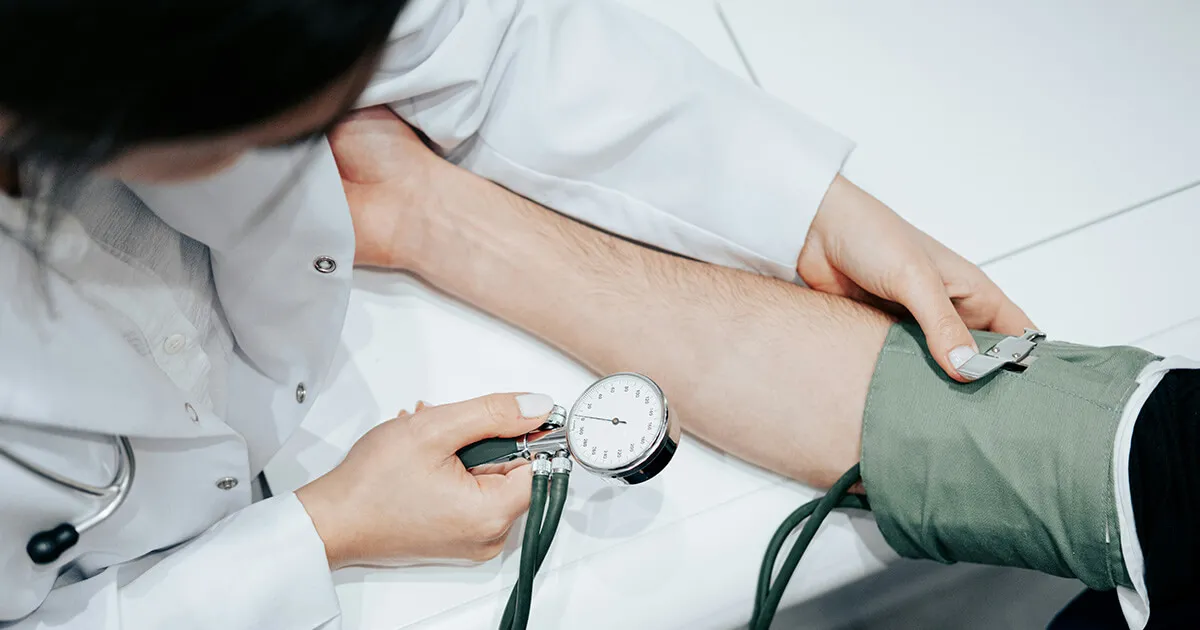
Enfermero/a: nurse. Many routine tasks in Spanish health centres — blood pressure, vaccinations, wound care, chronic disease monitoring — are handled by nurses, not doctors.
Consulta: a consultation or appointment.
Cita previa: prior appointment. Book by phone, online, or at the health centre. In some regions, you can book via an app.
At the Appointment
Síntomas: symptoms.
Tengo dolor en...: I have pain in...
- Tengo dolor de cabeza — I have a headache
- Tengo dolor de garganta — I have a sore throat
- Tengo dolor de espalda — I have back pain
- Tengo dolor en el pecho — I have chest pain
Tengo fiebre: I have a fever.
Me mareo: I feel dizzy.
Tengo náuseas: I feel nauseous.
Tengo tos: I have a cough.
¿Desde cuándo?: Since when? Have a timeframe ready: "Desde ayer" (since yesterday), "Hace tres días" (three days ago).
Soy alérgico/a a...: I am allergic to...
Tomo medicación regularmente para...: I take regular medication for...
Estoy embarazada: I am pregnant.
¿Puede repetirlo más despacio, por favor?: Can you please repeat it more slowly?
The Documents
Receta médica: prescription. The doctor issues this; you take it to a farmacia (pharmacy).
Receta electrónica: electronic prescription. Most prescriptions in Spain are now electronic; the pharmacist retrieves them by entering your TSI or DNI/NIE number, rather than a physical paper.
Derivación / Volante: a referral to a specialist (especialista) or for tests (pruebas).
Análisis de sangre: blood test.
Radiografía: X-ray.
Ecografía: ultrasound.
Informe médico: medical report, issued when you need documentation of your diagnosis or treatment.
Baja médica / Baja laboral: sick leave certificate, issued by your doctor to certify you are unfit to work. Must be submitted to both your employer and your social security office (INSS).
Private Healthcare
Many expats — particularly those on international assignments — use private healthcare (seguro médico privado or sanidad privada) in addition to or instead of the public system. Private clinics (clínicas privadas) and hospitals offer shorter waiting times and greater access to English-speaking specialists.
Seguro médico: health insurance (private).
Mutua / Aseguradora: insurance company (private health context).
Póliza: insurance policy.
Copago: co-payment, the portion you pay at each private appointment.
Reembolso: reimbursement, if your policy is a reembolso type rather than directly managed.
Cuadro médico: the list of doctors and hospitals covered by your private insurance plan.
Emergencies
Urgencias: the emergency department.
112: the emergency number in Spain (and across the EU).
061: the medical emergency number in many Spanish regions, specifically for health emergencies (equivalent to France's SAMU 15 or Germany's 112).
¿Dónde está el hospital más cercano?: Where is the nearest hospital?
Llame a una ambulancia, por favor.: Please call an ambulance.
Spain's public health system works well for those who know how to use it. The registration steps are administrative but not difficult; the vocabulary above covers the healthcare interactions that follow. Build the medical vocabulary before you need it — not after.
Healthcare vocabulary is the kind you need immediately when you finally need it. Vokabulo helps you prepare for medical conversations in Spanish and over 100 other languages. Available on iPhone and iPad.