

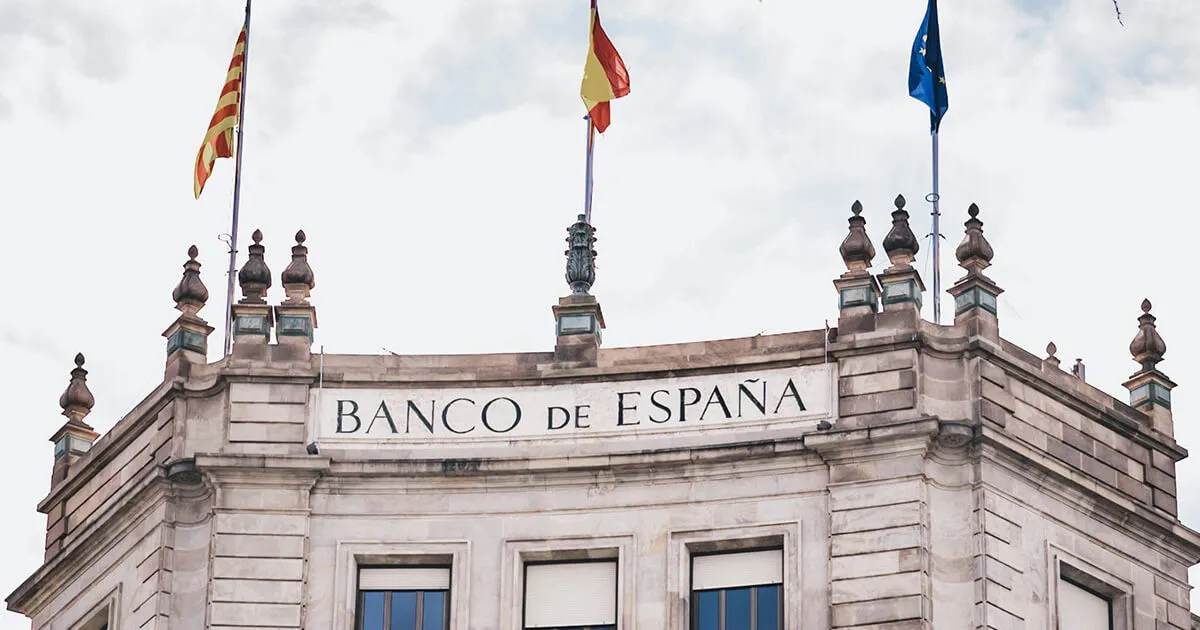
Spanish banking is generally straightforward for EU residents with the right documentation. The challenge for expats is not the system itself but the vocabulary: Spanish banks use specific terms for common products and processes, and many branch staff are not well-equipped to switch to English even in larger cities.
Here is the vocabulary you need for opening an account, understanding your statement, and navigating common banking situations in Spain.
Opening an Account
Cuenta corriente: a current / checking account. The standard everyday account.
Cuenta de ahorro: a savings account.
Cuenta conjunta: a joint account.
Apertura de cuenta: opening an account.
To open a cuenta corriente in Spain, you typically need:
- DNI (Spanish national ID, for Spanish citizens) or NIE (Número de Identidad de Extranjero) — the foreigner's identification number, required for almost all financial and administrative transactions. Getting your NIE quickly is essential.
- Pasaporte — passport (for non-EU residents without a Spanish ID).
- Justificante de domicilio — proof of address (a utility bill, rental contract, or empadronamiento certificate).
Cuenta para no residentes: a non-resident account. EU citizens or non-EU expats without Spanish residency can open a non-resident account, though with more restrictions than a resident account. Once you obtain residency (residencia), it is worth converting.
Número de cuenta / IBAN: account number / IBAN. Spanish IBANs start with ES followed by a 2-digit check code and 20 digits.
Your Statement
Extracto de cuenta / Estado de cuenta: bank statement.
Saldo: balance.
Saldo disponible: available balance (which may differ from the total balance if some transactions are pending).
Abono / Ingreso: a credit / incoming payment.
Cargo: a debit / outgoing payment.
Transferencia: bank transfer.
Domiciliación bancaria: a direct debit instruction. You provide your IBAN to a company (utility, landlord, etc.) and authorise them to debit your account. The Spanish equivalent of a SEPA mandate.
Orden permanente: a standing order; a recurring transfer set up by you to send the same amount to the same account regularly.
Comisiones: fees / charges.
Comisión de mantenimiento: account maintenance fee.
Cajero automático (ATM): ATM. Cash withdrawals at ATMs of other banks may incur comisiones de cajero.
Cards
Tarjeta de débito: debit card.
Tarjeta de crédito: credit card.
Tarjeta de prepago: prepaid card.
PIN: used in Spanish exactly as in English.
Pago sin contacto / Pago sin tocar: contactless payment.
Límite de crédito: credit limit (for credit cards).
Extracto de tarjeta: credit card statement.
Liquidación de tarjeta: the monthly settlement of your credit card balance.
Transfers and Payments
Transferencia SEPA: a eurozone transfer, processed via the SEPA system.
Transferencia internacional: an international transfer outside the SEPA zone.
Bizum: a widely used Spanish instant payment app, similar to Revolut pay or Germany's PayNow. Linked to a Spanish mobile number and cuenta corriente; extremely popular for splitting bills, paying tradespeople, and peer-to-peer transfers. Most Spanish bank accounts include Bizum access.
Recibo domiciliado: a direct debit instruction from a company (your phone bill, electricity, etc.).
Adeudo SEPA: a SEPA direct debit.
Banking Products
Depósito a plazo fijo: a fixed-term deposit. Locks your money for a set period in exchange for a fixed interest rate.
Depósito a la vista: an instant-access savings account.
Fondo de inversión: an investment fund.
Plan de pensiones: a pension plan / private pension product. Popular in Spain as a tax-deferred savings vehicle; contributions reduce your IRPF (income tax) liability, up to an annual cap.
Hipoteca: mortgage.
Préstamo personal: personal loan.
Préstamo al consumo: consumer credit.
TAE: Tasa Anual Equivalente, the Spanish equivalent of APR (Annual Percentage Rate). The legal disclosure of the true annual cost of credit.
Tipo de interés: interest rate.
Tipo fijo / tipo variable: fixed rate / variable rate.
Euríbor: the Euro Interbank Offered Rate, the benchmark to which most Spanish variable-rate mortgages are indexed. Published monthly; hipotecas a tipo variable reference the 12-month Euríbor rate.
Common Situations
"Me gustaría abrir una cuenta corriente." — I'd like to open a current account.
"¿Tiene comisión de mantenimiento?" — Does it have a maintenance fee?
"Necesito hacer una transferencia a..." — I need to make a transfer to...
"¿Cuál es el IBAN para domiciliar un recibo?" — What is the IBAN to set up a direct debit?
"No reconozco este cargo en mi extracto." — I don't recognise this charge on my statement.
"Quiero reclamar este cobro." — I'd like to dispute this charge.
Spanish banking connects to all other aspects of expat life in Spain — from paying your alquiler (rent) to collecting your nómina (salary). The vocabulary above covers everything from the initial apertura to the monthly extracto. Know the terms and the system becomes straightforward.
Spanish banking vocabulary pays off from day one. Vokabulo helps you build the exact terms for your financial life in Spain. Available on iPhone and iPad.