Walk into an Italian emergency department and within a few minutes a nurse will give you a code. It decides what follows: how long you wait, in what order you are seen, and sometimes whether you pay.
One number to remember: 112
il 112: said uno uno due, the numero unico di emergenza, the single European emergency number for police, fire service and ambulance alike. It works everywhere in Italy. In most regions it now reaches a central answering point that takes your location and passes you to the right service; where that system is not yet running, your call is still put through.
il 118: said centodiciotto, the dedicated medical emergency number, which was in use long before 112 became the single emergency number. It still works across the country and reaches the same ambulance service. If you remember only one number, make it 112.
And if you cannot tell which number you need, call 112.
il pronto soccorso: the emergency department itself, often shortened to PS.
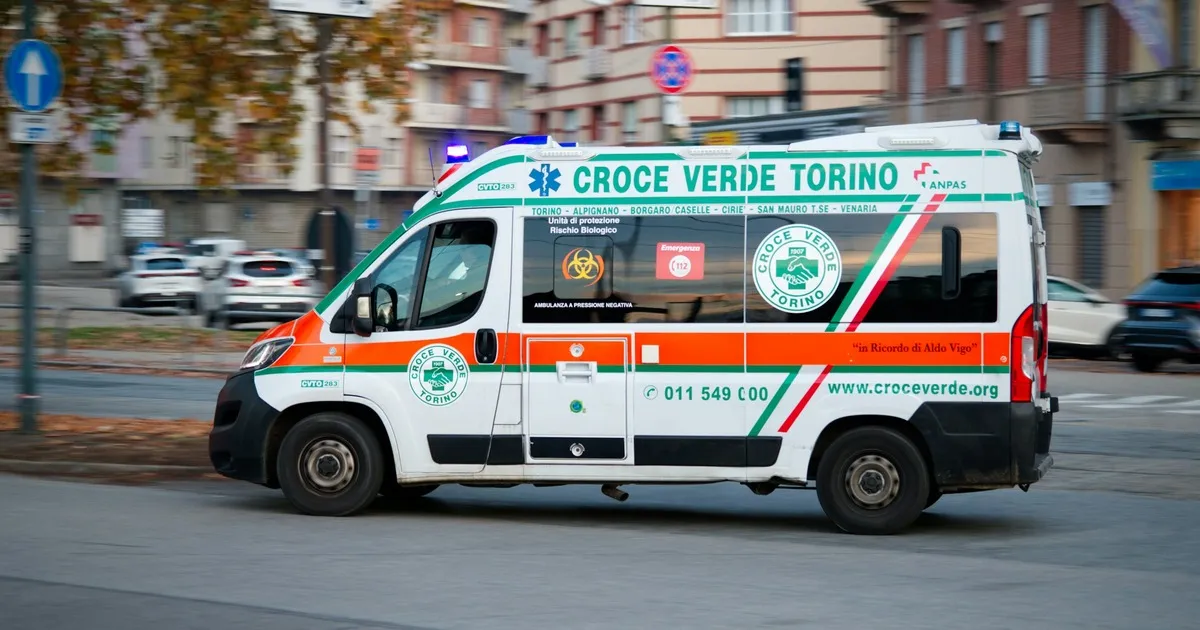
l'ambulanza: the ambulance. People also use il 118 to mean the ambulance service as a whole, naming it by its number.
The codes are numbers now, and the colours have changed too
For decades Italy sorted emergency patients into four colours: rosso, giallo, verde and bianco. National triage guidelines, agreed between the government and the regions in August 2019 and introduced region by region since, replaced them with five numbered priority codes. Regions may show a colour next to each number, and where they do, the palette is new: yellow has gone, and orange and light blue have joined.
codice 1: emergency. Seen immediately. Colour: rosso, red.
codice 2: urgent. Seen within 15 minutes. Colour: arancione, orange.
codice 3: urgent, but able to wait a little (urgenza differibile). Seen within an hour. Colour: azzurro, light blue.
codice 4: minor urgency. Seen within two hours. Colour: verde, green.
codice 5: not urgent. Seen within four hours. Colour: bianco, white.
These are the maximum waits the guidelines aim for, not guarantees, and real waits depend on the region and on how busy the department is.
People still talk in colours. Codice rosso is fixed in the language, in news reports and in everyday speech, and it is not going away. The catch is that some colours have shifted: verde used to be the third of four levels and is now the fourth of five, and giallo belongs to the old system only. Learn the numbers, because they are what goes on your file, and the colours, because they are what people say.
The words for the process
il triage: the sorting on arrival, pronounced the French way. It is done by a nurse, l’infermiere di triage.
l'accettazione: registration at the desk.
la tessera sanitaria: your health card, asked for straight away. Bring it, and bring your codice fiscale if the card has not arrived yet.
i parametri vitali: vital signs.
la scala del dolore: the pain scale, nought to ten.
la sala d'attesa: the waiting room.
la rivalutazione: reassessment while you wait. Speak up if you get worse: Sto peggio di prima.
il referto: the report on your visit, handed over when you are discharged. Do not leave without it. Your own doctor will want to see it.
il ricovero: admission to a ward. le dimissioni: discharge.
il ticket: the co-payment. A visit coded as non-urgent that ends with you going home can attract one, set by each region, precisely to discourage people from using the pronto soccorso instead of a GP.
Who else you might need
la guardia medica / la continuità assistenziale: the out-of-hours doctor service, for nights, weekends and public holidays. The second name is the official one; most people still say the first. Italy is moving the service onto the European number 116117 (said digit by digit, uno uno sei, uno uno sette) one region at a time. Several regions already use it, but the switch is far from finished and much is still undecided. Where it is not live yet, the guardia medica has local numbers, which your local health authority (ASL) publishes. The same European number appears in this series’ articles on Germany and France.
il medico di base / il medico di famiglia: your GP, the entry point to everything non-urgent. You choose one when you enrol with the national health service at your local ASL, which is one of the first things to do after you arrive, and the wider system is covered in the article on Italian medical vocabulary.
il codice fiscale: the tax code, which in Italy serves as a general identifier and is asked for everywhere, here included.
The sentences to have ready
Ho bisogno di un’ambulanza. I need an ambulance.
L’indirizzo è … The address is …
Ha un forte dolore al petto. He has severe chest pain.
Fa fatica a respirare. She is having difficulty breathing.
È incosciente. He is unconscious.
Perde molto sangue. He is bleeding heavily.
Parlo poco italiano. Parla inglese? I speak little Italian. Do you speak English?
What to expect once inside
Emergency departments in large Italian cities are often crowded, and a codice 4 or 5 can mean a long afternoon. Frustrating as that is, a long wait means the staff do not think you are in danger.
Staff tend to be warm and direct at the same time, and the gesture vocabulary is in full use in a hospital corridor. A raised hand meaning aspetta is asking you to wait a moment; nobody is brushing you off.
Learning it in advance
Save the number and the colour together. Make codice 2 / arancione a single entry, because you will see the number on paper and hear the colour in the corridor.
Practise your address aloud in Italian, including the floor and the name on the buzzer. Italian addresses have their own order, and it is easy to lose under stress.
Then let spaced repetition keep it fresh. These are twenty phrases you will rarely need, and will need badly when you do.
The short version
112 (uno uno due) for any emergency, and whenever you are not sure which number to call. Codes run from 1 to 5, and the lower the number, the more urgent the case. People still say the colours. Take your tessera sanitaria and leave with the referto.
And if you are given a codice 5, expect to wait. It is annoying, but it means you are not in danger.
Want the Italian emergency phrases ready before you need them? Put them into Vokabulo. Free to start on iPhone, iPad and in the browser. 🚑